The transition from winter to spring offers a critical window for homeowners to assess and repair their outdoor spaces. As the snow recedes, it reveals the toll that months of freezing temperatures and moisture take on landscapes. Engaging in early spring maintenance improves the aesthetic appeal of a property and prevents minor issues from escalating into costly repairs.
Reclaiming your backyard promotes physical activity and mental well-being by creating a safe, inviting environment for the warmer months ahead. Consider doing these spring projects in your backyard when the snow melts.
Inspect and Clear Debris
The first priority involves a thorough inspection of the yard. Heavy snow accumulation often breaks tree branches, while winds deposit layers of dead leaves and trash. Raking the lawn removes this debris and prevents mold growth, which thrives in damp, matted grass.
Examine the perimeter of the property, checking fences and gates for stability. Winter storms frequently shift soil, which can cause posts to lean or latches to misalign. Addressing these structural issues immediately ensures the safety of children and pets who play outside.
Additionally, clear out gutters and downspouts. Clogged drainage systems lead to water damage on the roof and foundation, creating health hazards like mold and mildew within the home.
Prune and Prep Perennials
Once the yard is clear, focus shifts to plant health. Pruning shrubs and trees before new growth appears encourages strong structure and vitality. Remove any dead or damaged wood to prevent disease and pest infestations. For perennials, cut back the dead foliage from the previous season to allow sunlight to reach the crown of the plant.
Soil preparation is equally vital. Aerating the lawn relieves compaction caused by snow weight, allowing oxygen, water, and nutrients to penetrate the root zone. Applying a slow-release fertilizer provides the necessary nutrients for vigorous spring growth.
Revitalize Hardscapes
Hardscaping elements often suffer from frost heave, where the freezing and thawing of soil shifts pavers and stones. Resetting these features restores safety and functionality. Consider the pathways that guide traffic through the garden.
Well-placed step stones add charm to backyard landscaping while also providing a stable surface that protects the grass from heavy foot traffic. Pressure washing patios and walkways removes grime and slippery algae build-up, creating a clean surface for outdoor furniture.
Prepare Vegetable and Flower Beds
For those cultivating a garden, early spring is the time to prepare the beds. Turning the soil integrates organic matter like compost, which improves drainage and nutrient content. This physical activity also serves as excellent low-impact exercise.
- Test Soil pH: Determine if amendments are necessary to balance acidity.
- Plan the Layout: Rotate crops to prevent soil depletion.
- Start Cool-Season Crops: Plant peas, spinach, and lettuce directly into the ground as soon as the soil is workable.
Check Outdoor Equipment
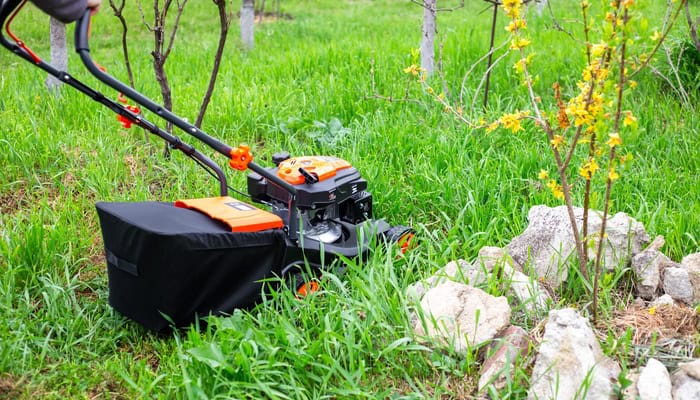
Finally, inspect all outdoor equipment. Sharpen mower blades, change the oil in engines, and check hoses for cracks. Functioning tools make ongoing maintenance more efficient and less physically taxing. Ensuring that swing sets and play structures are secure guarantees a safe season of active play for children.
Doing these projects early in the spring after snow melts establishes a foundation for a healthy, productive, and enjoyable backyard. A well-maintained outdoor area encourages more time spent out there, directly contributing to a healthier lifestyle for the entire family.

- South Bend Healthy Living
- South Bend Healthy Living
- South Bend Healthy Living
- South Bend Healthy Living
- South Bend Healthy Living
- South Bend Healthy Living
- South Bend Healthy Living
- South Bend Healthy Living
- South Bend Healthy Living
- South Bend Healthy Living
- South Bend Healthy Living
- South Bend Healthy Living
- South Bend Healthy Living
- South Bend Healthy Living
- South Bend Healthy Living
- South Bend Healthy Living
- South Bend Healthy Living
- South Bend Healthy Living
- South Bend Healthy Living
- South Bend Healthy Living
- South Bend Healthy Living
- South Bend Healthy Living
- South Bend Healthy Living
- South Bend Healthy Living
- South Bend Healthy Living
- South Bend Healthy Living
- South Bend Healthy Living
- South Bend Healthy Living
- South Bend Healthy Living
- South Bend Healthy Living
- South Bend Healthy Living
- South Bend Healthy Living
- South Bend Healthy Living
- South Bend Healthy Living
- South Bend Healthy Living
- South Bend Healthy Living
- South Bend Healthy Living
- South Bend Healthy Living
- South Bend Healthy Living
- South Bend Healthy Living
- South Bend Healthy Living
- South Bend Healthy Living
- South Bend Healthy Living
- South Bend Healthy Living
- South Bend Healthy Living
- South Bend Healthy Living
- South Bend Healthy Living
- South Bend Healthy Living
- South Bend Healthy Living
- South Bend Healthy Living
- South Bend Healthy Living
- South Bend Healthy Living
- South Bend Healthy Living
- South Bend Healthy Living
- South Bend Healthy Living
- South Bend Healthy Living
- South Bend Healthy Living
- South Bend Healthy Living
- South Bend Healthy Living
- South Bend Healthy Living
- South Bend Healthy Living
- South Bend Healthy Living
- South Bend Healthy Living
- South Bend Healthy Living
- South Bend Healthy Living
- South Bend Healthy Living
- South Bend Healthy Living
- South Bend Healthy Living
- South Bend Healthy Living
- South Bend Healthy Living
- South Bend Healthy Living
- South Bend Healthy Living
- South Bend Healthy Living
- South Bend Healthy Living
- South Bend Healthy Living
- South Bend Healthy Living
- South Bend Healthy Living
- South Bend Healthy Living
- South Bend Healthy Living
- South Bend Healthy Living
- South Bend Healthy Living
- South Bend Healthy Living
- South Bend Healthy Living
- South Bend Healthy Living
- South Bend Healthy Living
- South Bend Healthy Living
- South Bend Healthy Living
- South Bend Healthy Living
- South Bend Healthy Living
- South Bend Healthy Living
- South Bend Healthy Living
- South Bend Healthy Living
- South Bend Healthy Living
- South Bend Healthy Living
- South Bend Healthy Living
- South Bend Healthy Living
- South Bend Healthy Living
- South Bend Healthy Living
- South Bend Healthy Living
- South Bend Healthy Living
- South Bend Healthy Living
- South Bend Healthy Living
- South Bend Healthy Living
- South Bend Healthy Living
- South Bend Healthy Living
- South Bend Healthy Living
- South Bend Healthy Living
- South Bend Healthy Living
- South Bend Healthy Living
- South Bend Healthy Living
- South Bend Healthy Living
- South Bend Healthy Living
- South Bend Healthy Living
- South Bend Healthy Living
- South Bend Healthy Living
- South Bend Healthy Living
- South Bend Healthy Living
- South Bend Healthy Living
- South Bend Healthy Living
- South Bend Healthy Living
- South Bend Healthy Living
- South Bend Healthy Living
- South Bend Healthy Living
- South Bend Healthy Living
- South Bend Healthy Living
- South Bend Healthy Living
- South Bend Healthy Living
- South Bend Healthy Living
- South Bend Healthy Living
- South Bend Healthy Living
- South Bend Healthy Living
- South Bend Healthy Living
- South Bend Healthy Living
- South Bend Healthy Living
- South Bend Healthy Living
- South Bend Healthy Living
- South Bend Healthy Living
- South Bend Healthy Living
- South Bend Healthy Living
- South Bend Healthy Living
- South Bend Healthy Living
- South Bend Healthy Living
- South Bend Healthy Living
- South Bend Healthy Living
- South Bend Healthy Living
- South Bend Healthy Living
- South Bend Healthy Living
- South Bend Healthy Living
- South Bend Healthy Living
- South Bend Healthy Living
- South Bend Healthy Living
- South Bend Healthy Living
- South Bend Healthy Living
- South Bend Healthy Living
- South Bend Healthy Living
- South Bend Healthy Living
- South Bend Healthy Living
- South Bend Healthy Living
- South Bend Healthy Living
- South Bend Healthy Living
- South Bend Healthy Living
- South Bend Healthy Living
- South Bend Healthy Living
- South Bend Healthy Living
- South Bend Healthy Living
- South Bend Healthy Living
- South Bend Healthy Living
- South Bend Healthy Living
- South Bend Healthy Living
- South Bend Healthy Living
- South Bend Healthy Living
- South Bend Healthy Living
- South Bend Healthy Living
- South Bend Healthy Living
- South Bend Healthy Living
- South Bend Healthy Living
- South Bend Healthy Living
- South Bend Healthy Living
- South Bend Healthy Living
- South Bend Healthy Living
- South Bend Healthy Living
- South Bend Healthy Living
- South Bend Healthy Living
- South Bend Healthy Living
- South Bend Healthy Living
- South Bend Healthy Living
- South Bend Healthy Living
- South Bend Healthy Living
- South Bend Healthy Living
- South Bend Healthy Living
- South Bend Healthy Living
- South Bend Healthy Living
- South Bend Healthy Living
- South Bend Healthy Living
- South Bend Healthy Living
- South Bend Healthy Living
- South Bend Healthy Living
- South Bend Healthy Living
- South Bend Healthy Living
- South Bend Healthy Living
- South Bend Healthy Living
- South Bend Healthy Living
- South Bend Healthy Living
- South Bend Healthy Living
- South Bend Healthy Living
- South Bend Healthy Living
- South Bend Healthy Living
- South Bend Healthy Living
- South Bend Healthy Living
- South Bend Healthy Living
- South Bend Healthy Living
- South Bend Healthy Living
- South Bend Healthy Living
- South Bend Healthy Living
- South Bend Healthy Living
- South Bend Healthy Living
- South Bend Healthy Living
- South Bend Healthy Living
- South Bend Healthy Living
- South Bend Healthy Living
- South Bend Healthy Living
- South Bend Healthy Living
- South Bend Healthy Living
- South Bend Healthy Living
- South Bend Healthy Living
- South Bend Healthy Living
- South Bend Healthy Living
- South Bend Healthy Living
- South Bend Healthy Living
- South Bend Healthy Living
- South Bend Healthy Living
- South Bend Healthy Living
- South Bend Healthy Living
- South Bend Healthy Living
- South Bend Healthy Living
- South Bend Healthy Living
- South Bend Healthy Living
- South Bend Healthy Living
- South Bend Healthy Living
- South Bend Healthy Living
- South Bend Healthy Living
- South Bend Healthy Living
- South Bend Healthy Living
- South Bend Healthy Living
- South Bend Healthy Living
- South Bend Healthy Living
- South Bend Healthy Living
- South Bend Healthy Living
- South Bend Healthy Living
- South Bend Healthy Living
- South Bend Healthy Living
- South Bend Healthy Living
- South Bend Healthy Living
- South Bend Healthy Living
- South Bend Healthy Living
- South Bend Healthy Living
- South Bend Healthy Living
- South Bend Healthy Living
- South Bend Healthy Living
- South Bend Healthy Living
- South Bend Healthy Living
- South Bend Healthy Living
- South Bend Healthy Living
- South Bend Healthy Living
- South Bend Healthy Living
- South Bend Healthy Living
- South Bend Healthy Living
- South Bend Healthy Living
- South Bend Healthy Living
- South Bend Healthy Living
- South Bend Healthy Living
- South Bend Healthy Living
- South Bend Healthy Living
- South Bend Healthy Living
- South Bend Healthy Living
- South Bend Healthy Living
- South Bend Healthy Living
- South Bend Healthy Living
- South Bend Healthy Living
- South Bend Healthy Living
- South Bend Healthy Living
- South Bend Healthy Living
- South Bend Healthy Living
- South Bend Healthy Living
- South Bend Healthy Living
- South Bend Healthy Living
- South Bend Healthy Living
- South Bend Healthy Living
- South Bend Healthy Living
- South Bend Healthy Living
- South Bend Healthy Living
- South Bend Healthy Living
- South Bend Healthy Living
- South Bend Healthy Living
- South Bend Healthy Living
- South Bend Healthy Living
- South Bend Healthy Living
- South Bend Healthy Living
- South Bend Healthy Living
- South Bend Healthy Living
- South Bend Healthy Living
- South Bend Healthy Living
- South Bend Healthy Living
- South Bend Healthy Living
- South Bend Healthy Living
- South Bend Healthy Living
- South Bend Healthy Living
- South Bend Healthy Living
- South Bend Healthy Living
- South Bend Healthy Living
- South Bend Healthy Living
- South Bend Healthy Living
- South Bend Healthy Living
- South Bend Healthy Living
- South Bend Healthy Living
- South Bend Healthy Living
- South Bend Healthy Living
- South Bend Healthy Living
- South Bend Healthy Living
- South Bend Healthy Living
- South Bend Healthy Living
- South Bend Healthy Living
- South Bend Healthy Living
- South Bend Healthy Living
- South Bend Healthy Living
- South Bend Healthy Living
- South Bend Healthy Living
- South Bend Healthy Living
- South Bend Healthy Living
- South Bend Healthy Living
- South Bend Healthy Living
- South Bend Healthy Living
- South Bend Healthy Living
- South Bend Healthy Living
- South Bend Healthy Living
- South Bend Healthy Living
- South Bend Healthy Living
- South Bend Healthy Living
- South Bend Healthy Living
- South Bend Healthy Living
- South Bend Healthy Living
- South Bend Healthy Living
- South Bend Healthy Living
- South Bend Healthy Living
- South Bend Healthy Living
- South Bend Healthy Living
- South Bend Healthy Living
- South Bend Healthy Living
- South Bend Healthy Living
- South Bend Healthy Living
- South Bend Healthy Living
- South Bend Healthy Living
- South Bend Healthy Living
- South Bend Healthy Living
- South Bend Healthy Living
- South Bend Healthy Living
- South Bend Healthy Living
- South Bend Healthy Living
- South Bend Healthy Living
- South Bend Healthy Living
- South Bend Healthy Living
- South Bend Healthy Living
- South Bend Healthy Living
- South Bend Healthy Living
- South Bend Healthy Living
- South Bend Healthy Living
- South Bend Healthy Living
- South Bend Healthy Living
- South Bend Healthy Living
- South Bend Healthy Living
- South Bend Healthy Living
- South Bend Healthy Living
- South Bend Healthy Living
- South Bend Healthy Living
- South Bend Healthy Living
- South Bend Healthy Living
- South Bend Healthy Living
- South Bend Healthy Living
- South Bend Healthy Living
- South Bend Healthy Living
- South Bend Healthy Living
- South Bend Healthy Living
- South Bend Healthy Living
- South Bend Healthy Living
- South Bend Healthy Living
- South Bend Healthy Living
- South Bend Healthy Living
- South Bend Healthy Living
- South Bend Healthy Living
- South Bend Healthy Living
- South Bend Healthy Living
- South Bend Healthy Living
- South Bend Healthy Living
- South Bend Healthy Living
- South Bend Healthy Living
- South Bend Healthy Living
- South Bend Healthy Living
- South Bend Healthy Living
- South Bend Healthy Living
- South Bend Healthy Living
- South Bend Healthy Living
- South Bend Healthy Living
- South Bend Healthy Living
- South Bend Healthy Living
- South Bend Healthy Living
- South Bend Healthy Living
- South Bend Healthy Living
- South Bend Healthy Living
- South Bend Healthy Living
- South Bend Healthy Living
- South Bend Healthy Living