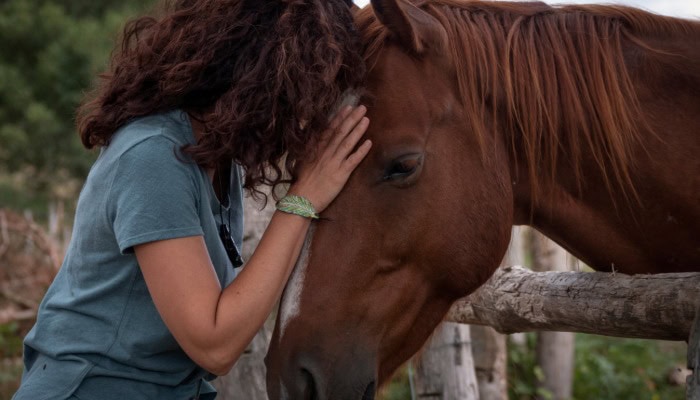
Anxiety disorders affect millions of women, often disrupting sleep, relationships, and everyday routines. Growing interest in holistic wellness has sparked curiosity about how horses help people with debilitating anxiety. Equine-assisted therapy introduces a calm, grounded environment where emotional healing often begins through connection rather than conversation.
Quiet barns, open pastures, and the steady rhythm of a horse’s movement create a setting that encourages mindfulness. Many participants report that time spent with horses offers a rare sense of peace and emotional safety.
The Emotional Sensitivity of Horses
Horses respond strongly to human body language and emotional energy. Subtle changes in posture, tension, or breathing can influence how a horse reacts.
Many therapists use this sensitivity to help participants recognize internal stress patterns. A horse may step back when someone approaches with anxiety or relax when a person becomes calmer. Immediate feedback helps individuals notice emotional shifts in real time.
That interaction builds awareness without judgment. Many women find this process empowering because progress becomes visible through the horse’s behavior.
A Space for Nonverbal Healing
Traditional therapy often relies heavily on conversation. Equine programs offer a different approach by emphasizing presence, observation, and physical interaction.
Participants might groom a horse, walk beside it, or practice simple groundwork exercises. Activities encourage focus and steady breathing while gently redirecting attention away from racing thoughts.
These activities can lower stress and increase a sense of emotional regulation. Calm repetition and connection with an animal often provide comfort that words alone cannot deliver.
Confidence Through Connection
Anxiety frequently erodes confidence and self-trust. Horses help rebuild that confidence through achievable steps and clear communication.
Leading a horse successfully or calming an uneasy animal can feel like a meaningful accomplishment. Each small success reinforces self-belief.
Access also plays a role in making this therapy more practical. In rural communities, those who have the room can build a horse barn on their property to make equine therapy even more accessible.
Why the Natural Setting Matters
Nature itself carries measurable mental health benefits. Fresh air, open land, and physical movement contribute to emotional balance.
Equine environments often combine these elements naturally. Walking beside a horse through a pasture encourages grounding and present-moment awareness.
Women navigating chronic anxiety often describe these settings as restorative. A peaceful outdoor environment supports the therapeutic process in subtle but powerful ways.
A Gentle Path Toward Emotional Balance
Curiosity about how horses help people with debilitating anxiety reflects a broader interest in therapies that nurture emotional connection and provide calm environments.
Programs built around equine therapy for anxiety show how powerful nonverbal relationships can be. Horses offer patience, responsiveness, and quiet companionship that many people find deeply reassuring.
Equine-assisted experiences remind participants that healing sometimes begins with something simple: slowing down, breathing deeply, and trusting others.