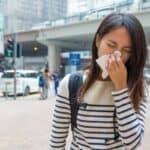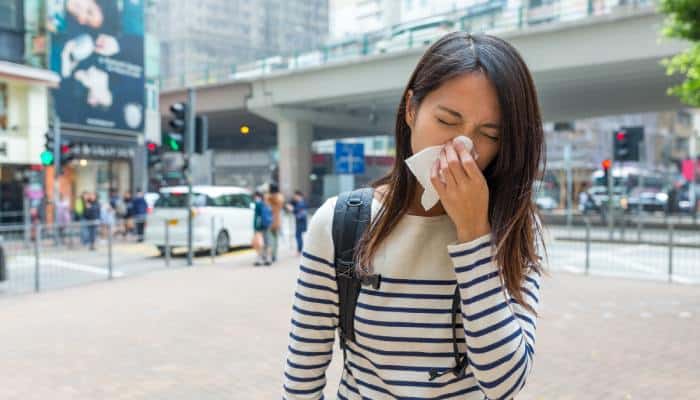
Travel should feel refreshing, but allergy symptoms ruin the experience. It’s common to expect congestion, itchy eyes, or fatigue when you move through unfamiliar environments. Pollen levels vary in every region, and indoor spaces can trap allergens.
Allergy-sensitive travelers who develop healthy habits reduce those troubles. When you adjust daily routines and stay aware of your surroundings, you protect your energy and comfort throughout the trip. Here’s how to do it.
Start the Day With an Allergy-Aware Routine
Morning routines shape how your body handles allergens throughout the day. When you travel, you often wake up in unfamiliar environments with pollen or dust. Taking a few minutes to reset your space gives your immune system a better start.
Open windows carefully and observe local pollen conditions before letting outside air circulate. Rinse your face and hands to remove allergens that may have settled overnight. Hydration also helps your body maintain healthy mucus membranes, which filter irritants before they cause stronger reactions.
Stay Aware of Environmental Triggers
Different regions carry different allergens, and travelers often underestimate how quickly conditions shift. A forested area, coastal region, or desert climate can introduce new types of pollen your body rarely encounters.
Checking daily pollen forecasts helps you plan outdoor activities more comfortably. Early mornings and late evenings often carry heavier pollen concentrations, while midday air circulation may feel easier for some travelers.
You’ll also notice that enclosed travel spaces can trap allergens. When airflow stagnates, dust and pollen accumulate faster than many people realize.
Protect Your Travel Space From Allergen Buildup
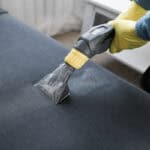
Your sleeping space plays a major role in symptom control. Whether you stay in a rental, hotel, or vehicle, allergens accumulate in fabrics, bedding, and clothing throughout the day.
Several small habits make a noticeable difference:
- Shake out blankets and clothing outdoors when possible
- Change into clean clothing
- Shower before bed to remove pollen from skin and hair
- Wipe surfaces that collect dust or pollen
- Store worn clothing separately from clean items
- Keep airflow steady to prevent stagnant air
Adjust Daily Habits When Symptoms Appear
Even with preparation, allergy symptoms sometimes appear unexpectedly. When that happens, small adjustments throughout the day can prevent symptoms from worsening.
Limit time in high-pollen environments and take short indoor breaks when irritation increases. Saline rinses can help clear allergens from the nasal passages after outdoor activities. Many travelers also carry compact antihistamines or nasal sprays recommended by their healthcare provider.
For those living and traveling in a van, managing airflow and monitoring shifting climates becomes part of that daily rhythm. Moving through multiple regions in a short period means allergen exposure changes constantly, making it easier to notice which environments trigger symptoms and which feel more manageable. Those observations help any traveler respond more effectively when symptoms arise.
Build Long-Term Healthy Habits
Healthy habits help allergy-sensitive travelers feel their best without relying on temporary relief. Pay attention to how different environments affect you. Notice which climates trigger symptoms and which conditions are best for you. Small, consistent habits create a healthier travel experience for you and the people who travel with you.