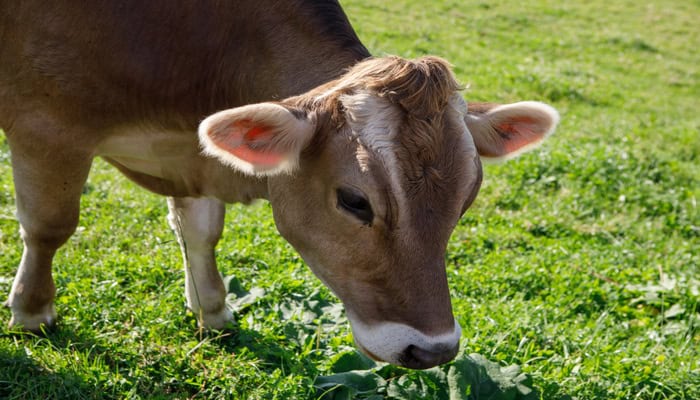
People who care about health and wellness often look beyond grocery store labels and want to understand where their food comes from. That curiosity naturally leads to questions about farming practices and livestock choices. One common question is why dairy farms love having Brown Swiss cows, especially when producing milk for quality-focused consumers. These cows bring together productivity, resilience, and milk composition in a way that supports both farmer success and nutrient-rich dairy products.
A Nutrient-Rich Milk Profile
Brown Swiss cows produce milk with a balanced blend of protein and butterfat, giving it a creamy texture and strong nutritional value. Protein plays a key role in muscle support, tissue repair, and overall wellness, and the milk from this breed offers a dependable source. Farmers appreciate this composition because it allows them to create a variety of dairy products without sacrificing quality.
Cheese makers especially value Brown Swiss milk for its structure and flavor development. The milk performs well in cultured products like yogurt and in aged cheeses that require consistent protein levels. For consumers who seek wholesome, satisfying dairy options, this balanced profile makes a noticeable difference in both taste and texture.
Built for Strength and Longevity
Farmers rely on cows that can stay productive over time, and Brown Swiss cows meet that need. They have strong frames, sturdy legs, and durable hooves that help them adapt to different terrains and climates. Whether they graze in rolling pastures or live in managed barn systems, they handle environmental changes well.
Longevity supports sustainable farming. When cows remain healthy and productive for many years, farms maintain greater herd stability and reduce the need for constant replacements. This approach promotes consistent care routines and allows farmers to focus on animal welfare. Healthy cows typically produce steady milk output, which supports dependable dairy quality for consumers.
Efficiency and Sustainable Practices
Efficiency plays a major role in modern dairy farming, especially for people who value environmentally responsible food systems. Brown Swiss cows convert feed into milk effectively, helping farms manage resources wisely. When animals use feed efficiently, farms can maintain balanced operations without unnecessary waste.
Their calm temperament also improves daily farm life. Farmers can handle them with relative ease, which reduces stress for both workers and animals. Lower stress levels often contribute to better herd health and steady production. Because of these qualities, many producers consider them among the best cow breeds for dairy production when balancing output, sustainability, and animal care.
Consistency That Builds Trust
Consistency matters to consumers who care about what they put into their bodies. Brown Swiss cows deliver reliable milk composition and steady production, allowing dairy brands to maintain uniform flavor and texture across products. This reliability strengthens consumer confidence and supports long-term brand trust.
For individuals who include dairy in a balanced lifestyle, knowing that farms choose resilient, productive animals adds another layer of reassurance. Responsible breed selection directly influences the quality of milk found in everyday foods.
From their nutrient-dense milk to their durability and calm nature, there are many reasons why dairy farms love having Brown Swiss cows. These animals support sustainable practices while helping farms produce consistent, high-quality dairy products.