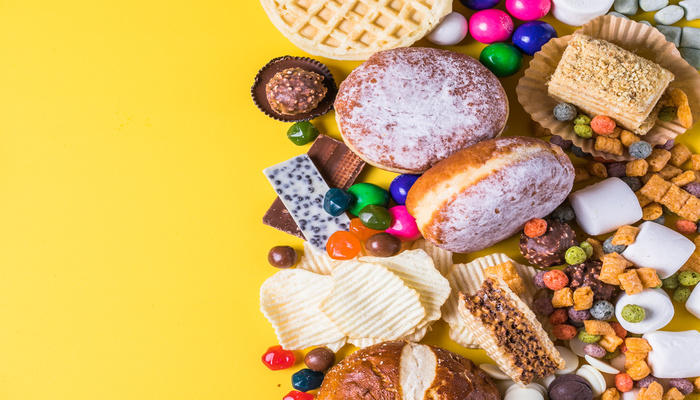
We often assume that if a product is on the grocery store shelf, it must be safe to eat. But food regulations vary wildly across the globe. What the FDA considers acceptable in the United States could be completely prohibited in Europe or Asia due to potential health risks.
It is surprising to discover how many staples in the Standard American Diet contain additives, preservatives, and chemicals that other nations deem too dangerous for human consumption. From colorful breakfast cereals to everyday baking ingredients, these items fill pantries across the world, yet you won’t find them in many international markets.
Understanding which ingredients raise red flags abroad empowers you to make more informed choices for your family. Here is a look at five common American foods banned in other countries, and why regulators elsewhere have kept them off the shelves.
1. Dough Conditioners (Potassium Bromate)
If you check the label on commercial bread, buns, or bagel chips, you might spot potassium bromate. Commercial bakeries use this oxidizing agent to strengthen dough and reduce baking time.
However, the European Union, Canada, and Brazil have banned it because it is a category 2B carcinogen, meaning it may cause cancer in humans. While the FDA has encouraged bakers to voluntarily stop using it, it remains legal in the U.S.
2. Artificial Food Dyes (Red 40, Yellow 5, Yellow 6)
That bright orange soda and those neon-colored candies often rely on synthetic dyes like Red 40, Yellow 5, and Yellow 6. These dyes contain benzidine, a known carcinogen, and research has linked them to hyperactivity in children.
While not outright banned in the EU, products containing these specific dyes feature a warning label. Consequently, many manufacturers formulate safer, natural versions for European markets, while continuing to sell the artificial versions here.
3. Farm-Raised Salmon
Not all seafood is equal. While wild-caught fish offers tremendous health benefits, farm-raised salmon often relies on petrochemical-based feed to give the fish their pink color. Some nations, including Australia and New Zealand, prohibit the sale of farm-raised salmon due to environmental concerns and the use of antibiotics.
4. Brominated Vegetable Oil (BVO)
Sports drinks and citrus-flavored sodas sometimes use Brominated Vegetable Oil (BVO) to keep flavor oils from floating to the top of the bottle. BVO contains bromine, a chemical element found in flame retardants. Japan and the European Union have outlawed BVO due to concerns that it can build up in the body and lead to memory loss, skin problems, and nerve issues.
5. Ractopamine-Tainted Meat
Ractopamine is a drug used in animal feed to promote lean muscle growth in pigs, cattle, and turkeys. While it keeps production costs down for American farmers, it has triggered bans in 160 countries, including Russia, China, and EU members. These nations cite concerns about the drug’s effect on human cardiovascular systems and animal welfare.
Making Healthier Choices for Your Family
Navigating the grocery store aisles requires vigilance. Knowing the different banned American foods in other countries highlights the importance of reading labels. By focusing on whole, unprocessed foods and checking ingredient lists for these controversial additives, you can better protect your and your family’s health.